Read a report about creating a carbon-composite mast with stack ventilation

When a seafaring vessel is built for complete energy autonomy, every bit of hardware on board counts. Even the mast.
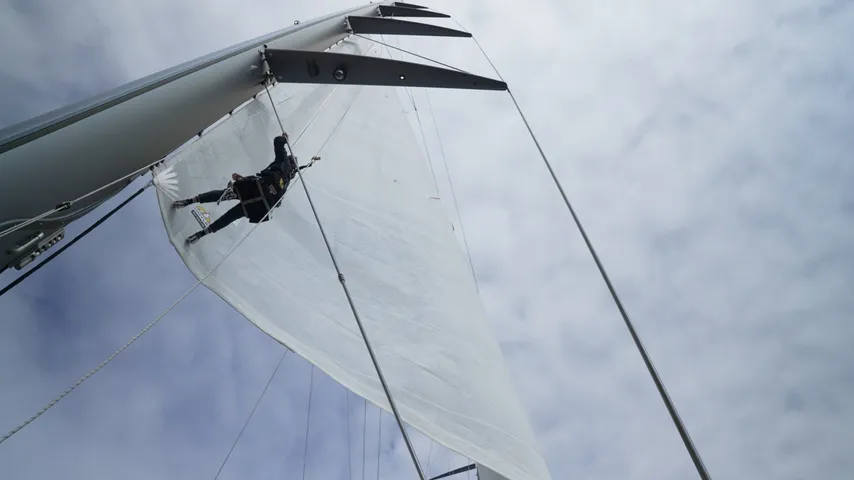
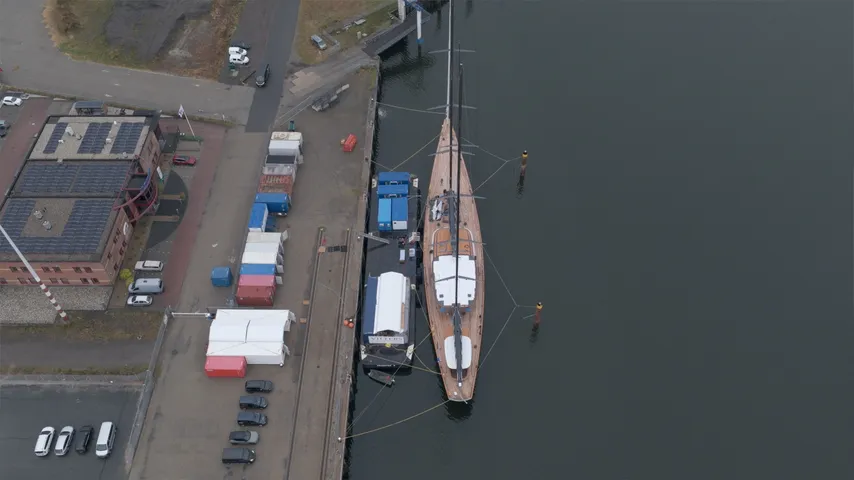
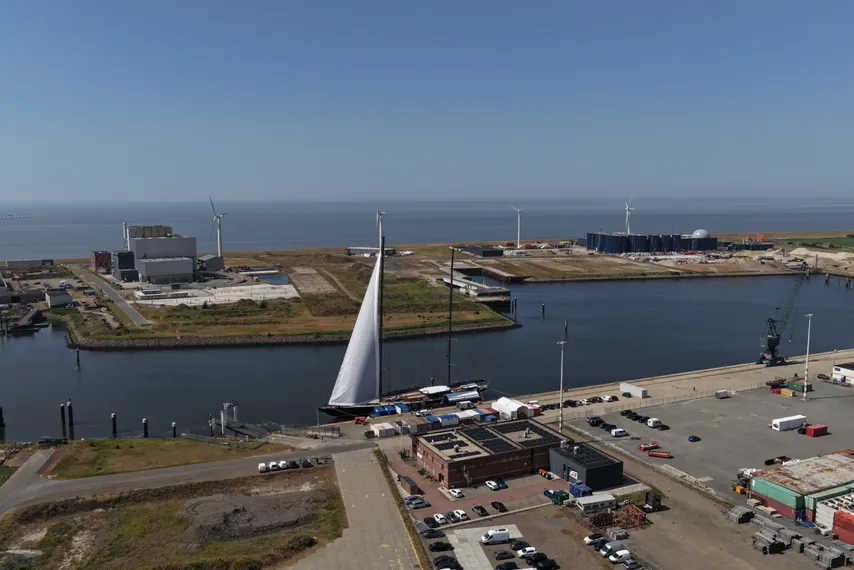
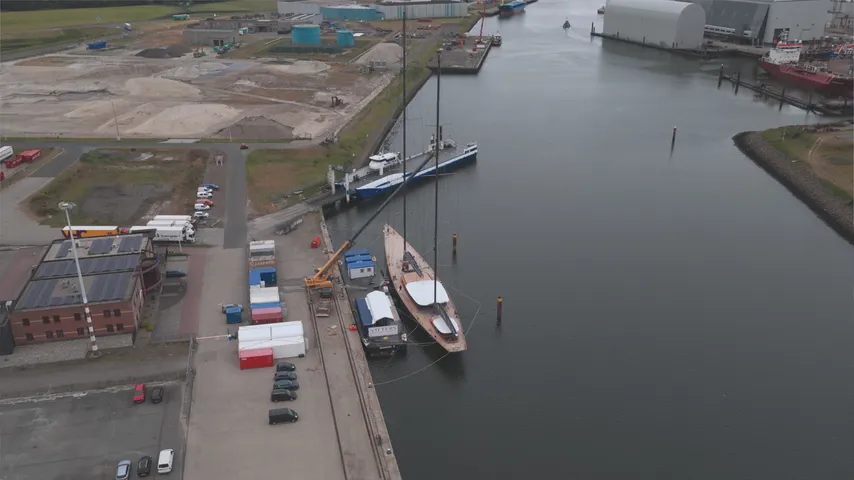
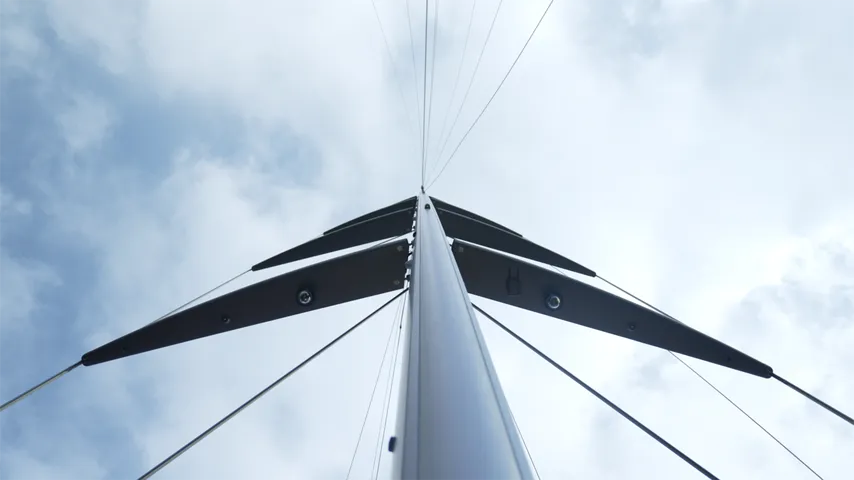
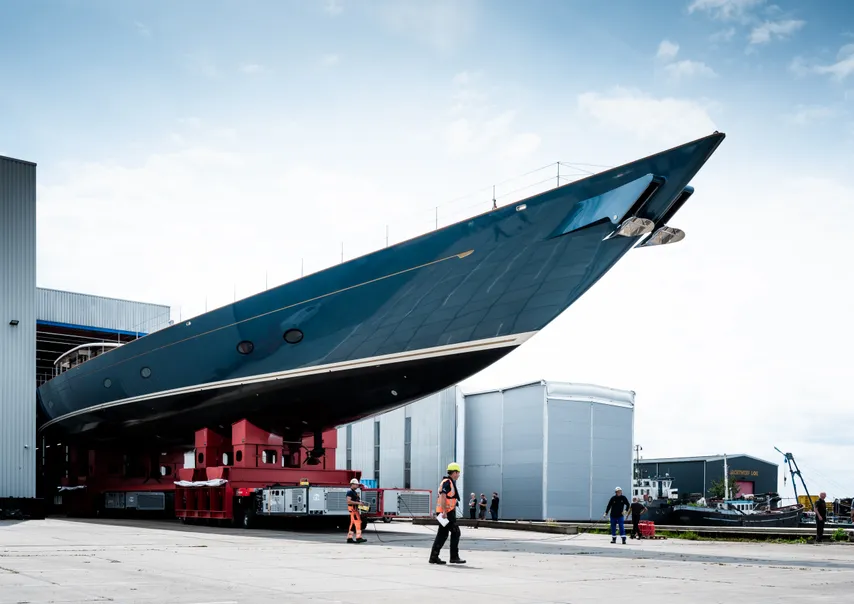
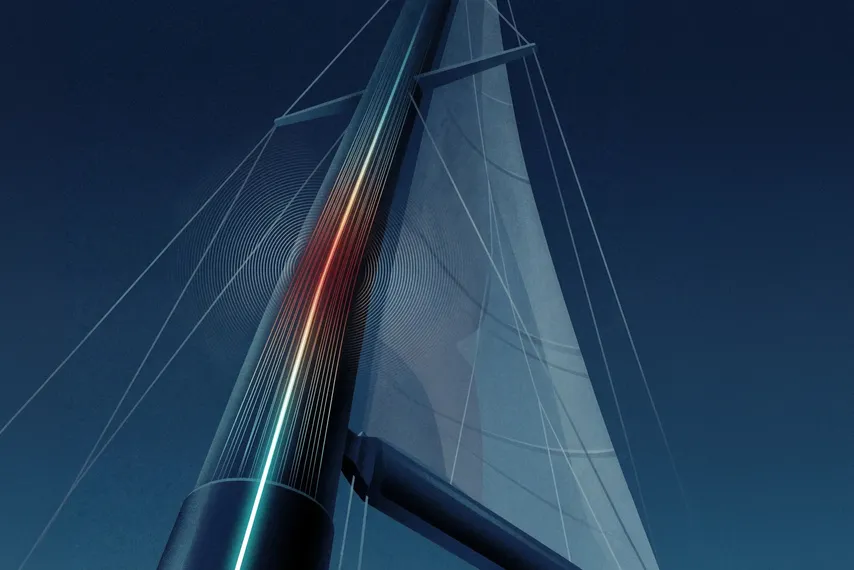
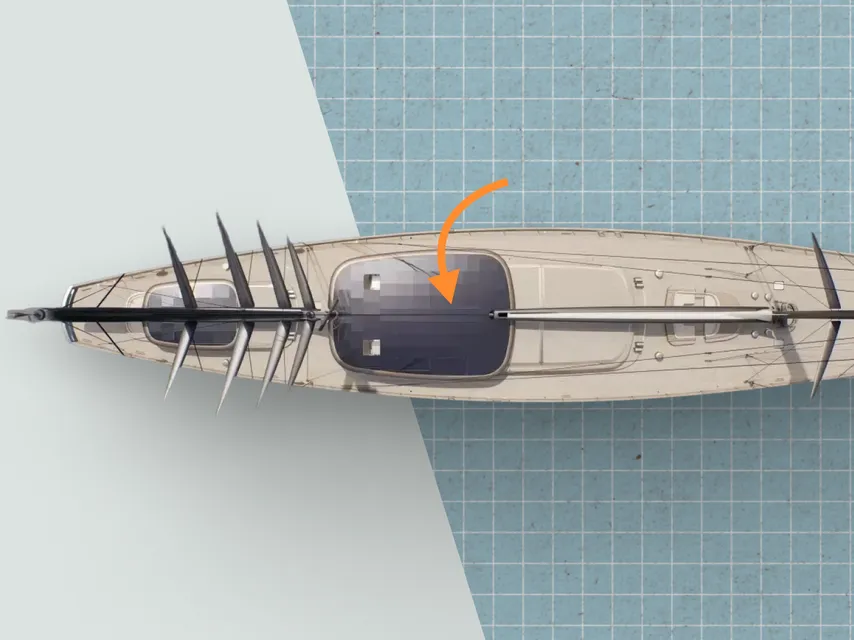
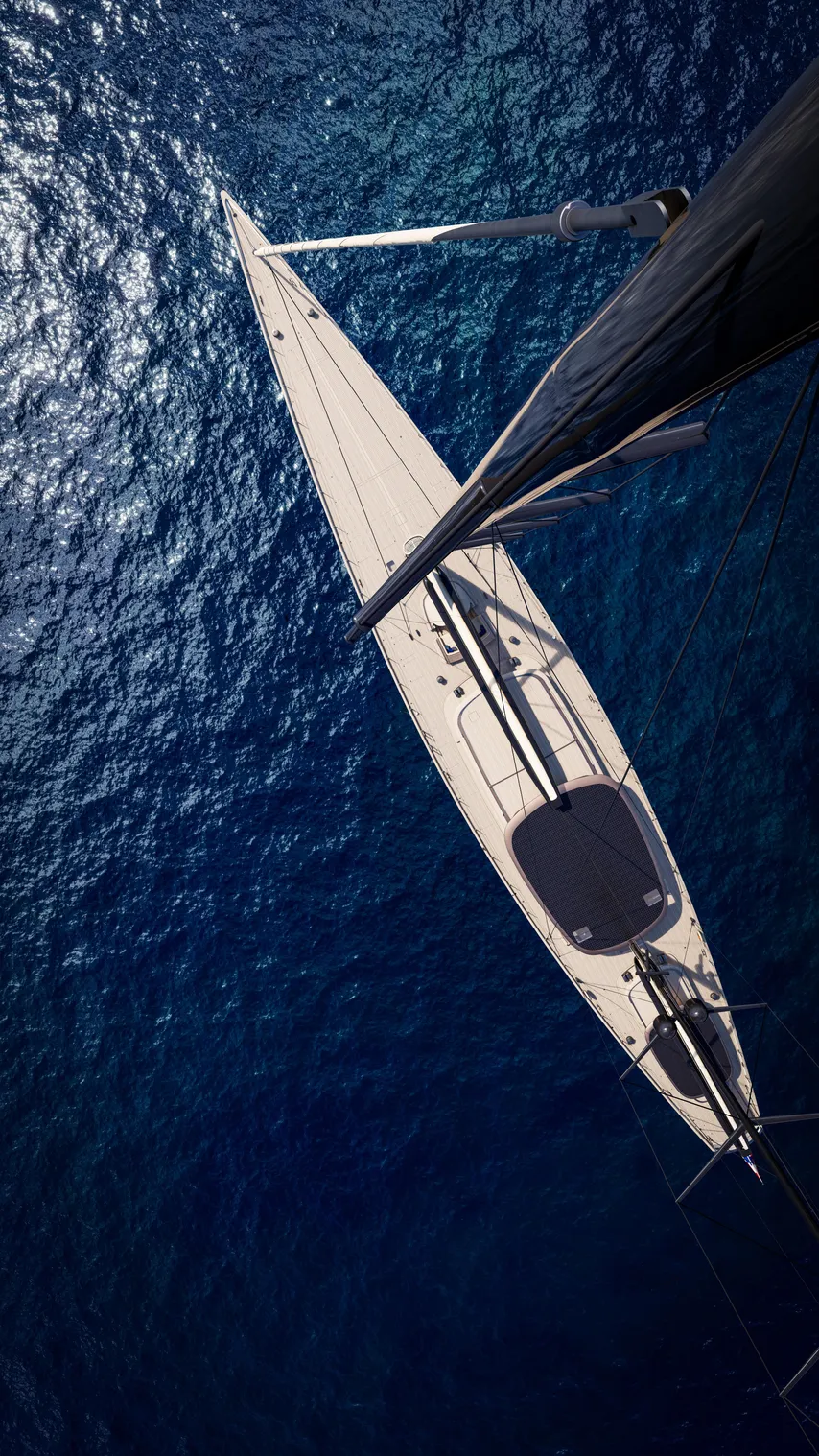
For sailing yacht Zero, this meant working with Carbo-Link to not just create a 70-metre one-piece carbon-composite spar, but also effectively turn it into a chimney that ventilates the vessel.
Detailed in a new engineering paper by Dr. Bob van Someren and Edoardo Volpe, the project marks the first time a natural stack-effect ventilation channel has been engineered directly into the structural core of a superyacht mast.
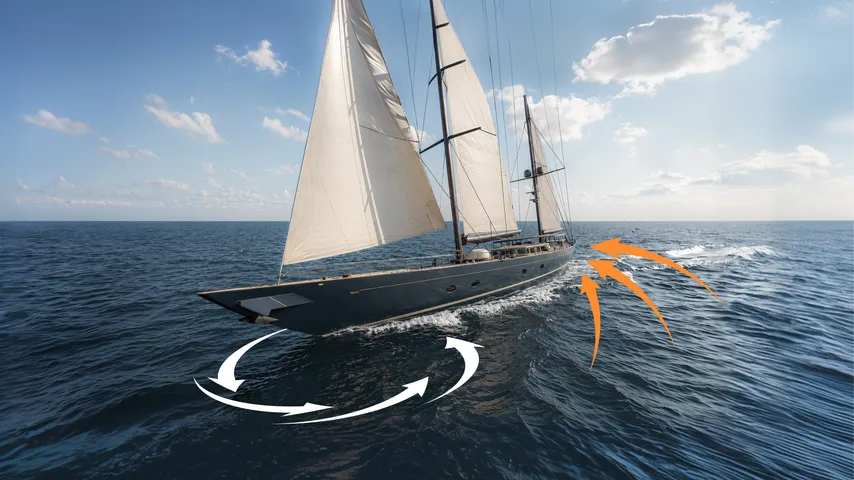
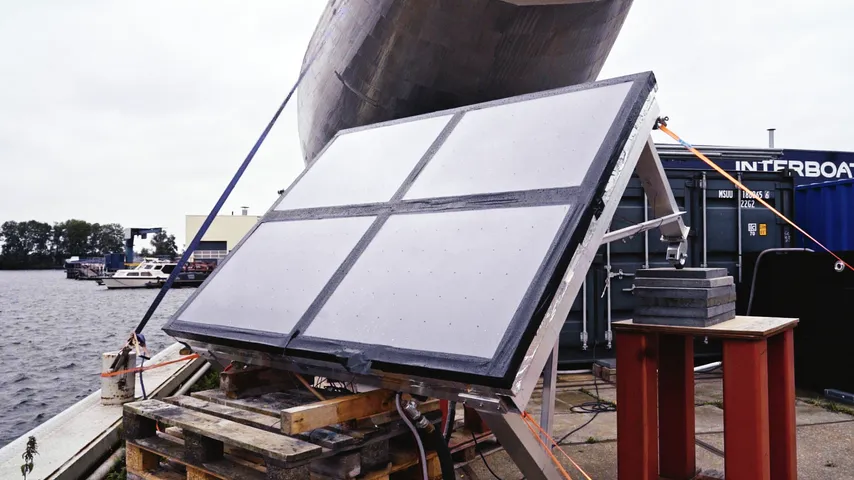
The idea is this: when sunlight hits the mast’s exterior, the heat conducts through the thin laminate wall and warms the air trapped inside. As that internal air heats up, with the channel walls reaching anywhere from 51 °C into the high nineties, it rises, pulling fresh air up from the foot of the spar.
The paper’s figures show that the solar-driven flow moves roughly 1,600 cubic metres of air per hour at 5 kW of solar input, climbing to 2,800 cubic metres per hour at 25 kW. Without a single fan or moving part, the mast generates the equivalent of 5–10 kW of ventilation power.
Achieving this wasn’t without complications, though. Turning a racing-style spar into an unobstructed airway required unlearning decades of conventional rig design. This led to an array of innovations, including widening the spar and reinforcing thin-walled sections with stiffeners.
The paper covers the full development of this world-first mast, moving from feasibility and design all the way through to prototyping and structural performance. To find out more, you can read the full research here.
Dr. Bob van Someren (Foundation⁰) and Edoardo Volpe (Carbo-Link).