A groundbreaking test set-up for a groundbreaking regeneration system

For most vessels, the technical launch — when the ship is lowered to the water for the first time, ready for sea trials — is considered the moment of truth. It’s not so much about whether the vessel will float, but rather the technical launch offers the first opportunity to commission and test the ship’s systems. Then come the sea trials themselves, where the design data gets validated, and theoretical speeds, handling, and efficiency meet real-world conditions.
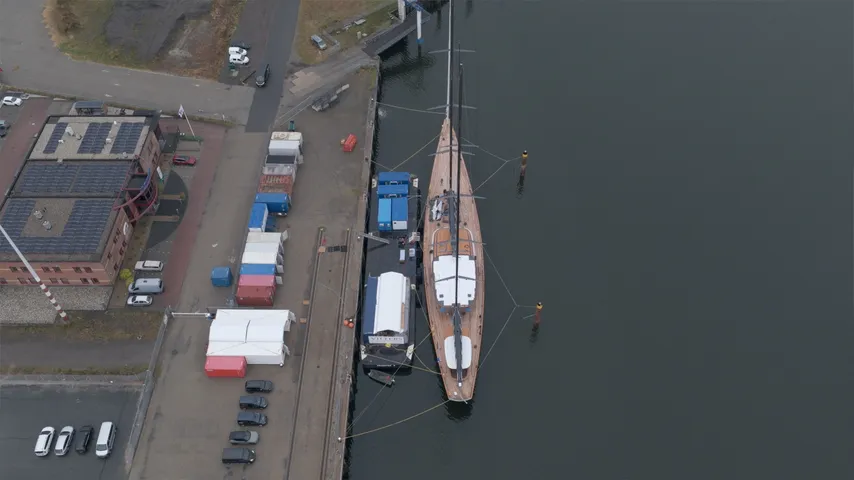
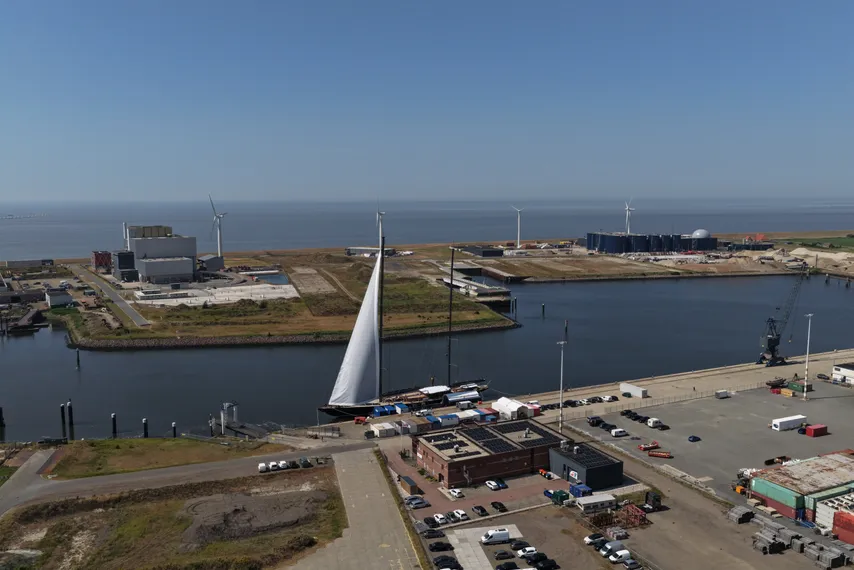
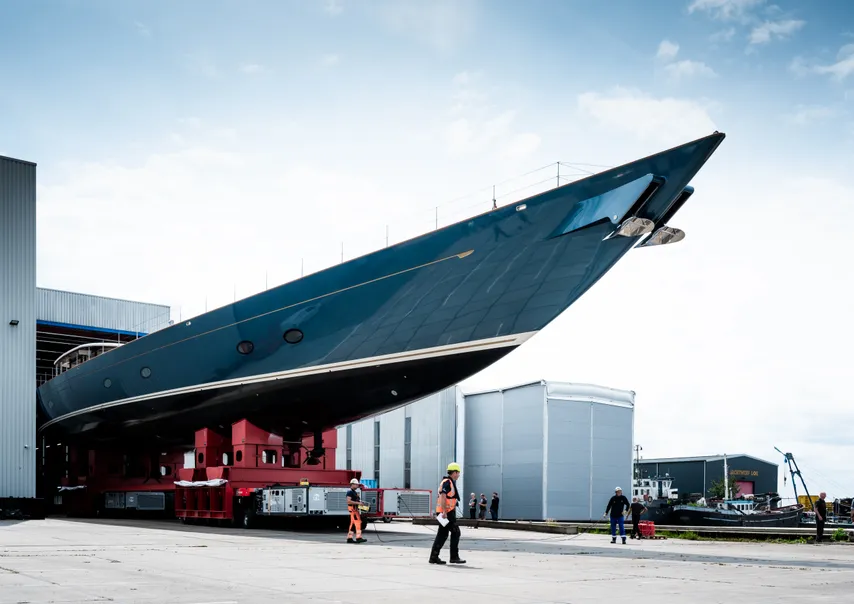
That’s all very well when the technologies you are using are well known, but if your project features an all-new approach to propulsion, power generation, energy use and efficiency, then knowing how the systems perform before the yacht kisses the water can be vital in understanding whether critical goals are going to be met, or whether there is scope to improve. It’s why the team behind sailing yacht Zero devised a way of testing the propulsion and regeneration capabilities of the yacht before she had even left her build shed.
“The propulsion and regeneration testing programme we devised is where the magic starts to happen,” enthuses Siebe de Vries, electrical project manager for the SY Zero build. “This is where it all comes together, because on Zero the thrusters are one of the most important elements — for propulsion, and even more so for regeneration.”
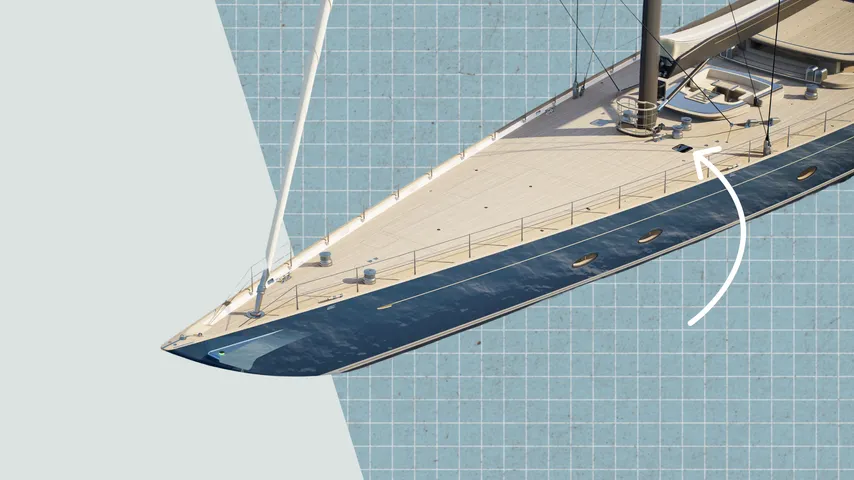
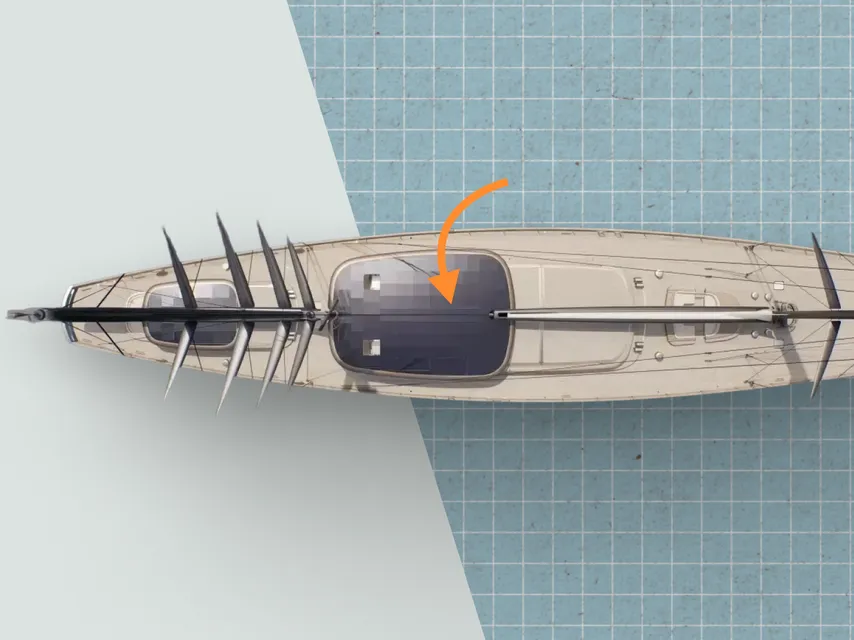
Operating solely on renewable energy when away from port, Zero combines light and heat energy captured through 100 square metres of hybrid photovoltaic-thermal panels with hydrogeneration when the yacht is sailing.
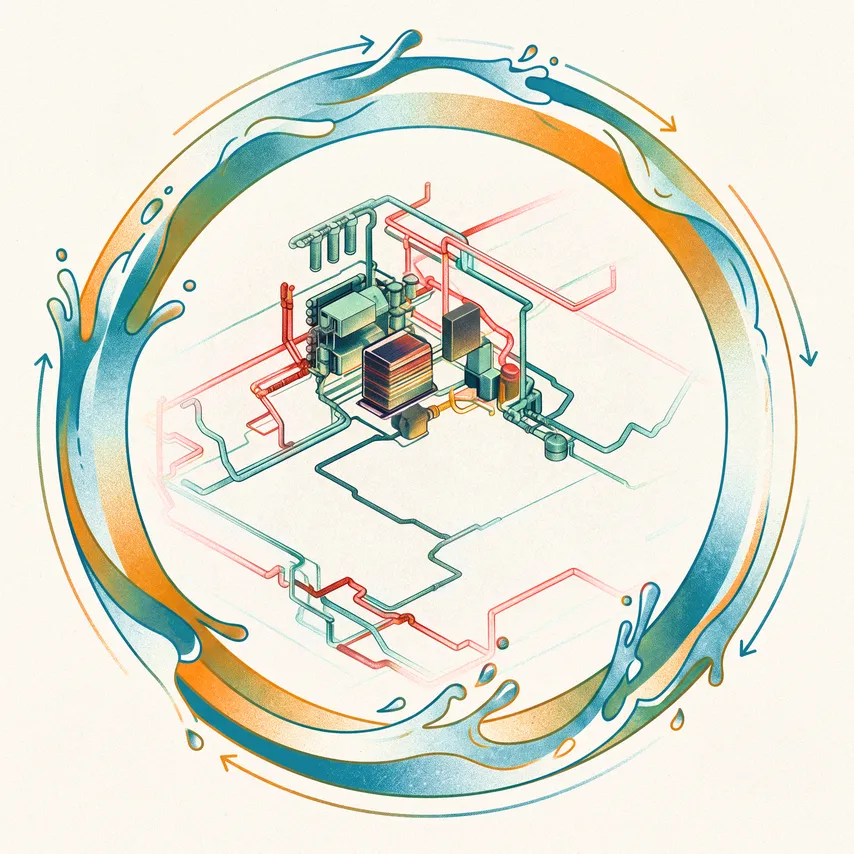
Indeed, hydrogeneration is by far the biggest contributor to energy harvesting on board, with the system designed to generate 65 kilowatts at 10 knots of boatspeed, and 250 kilowatts at 16.5 knots. While hydrogeneration is not new — a handful of sailing superyachts already benefit from it — the system on Zero is on a completely different scale. “There’s one big difference,” De Vries confirms. “On this yacht, the system has been primarily designed for hydrogeneration whereas on other projects that has always been secondary.”
It’s why developing a method to test the system before the yacht even sees the water has been a priority, and the solution the team devised is, says De Vries, a first. “It’s a completely new approach and, as far as I know, it’s never been done in the build shed before — usually the pre-launch test just involves turning the shaft a little bit, but the real propulsion and regeneration tests have always been done in the water on sea trials.”
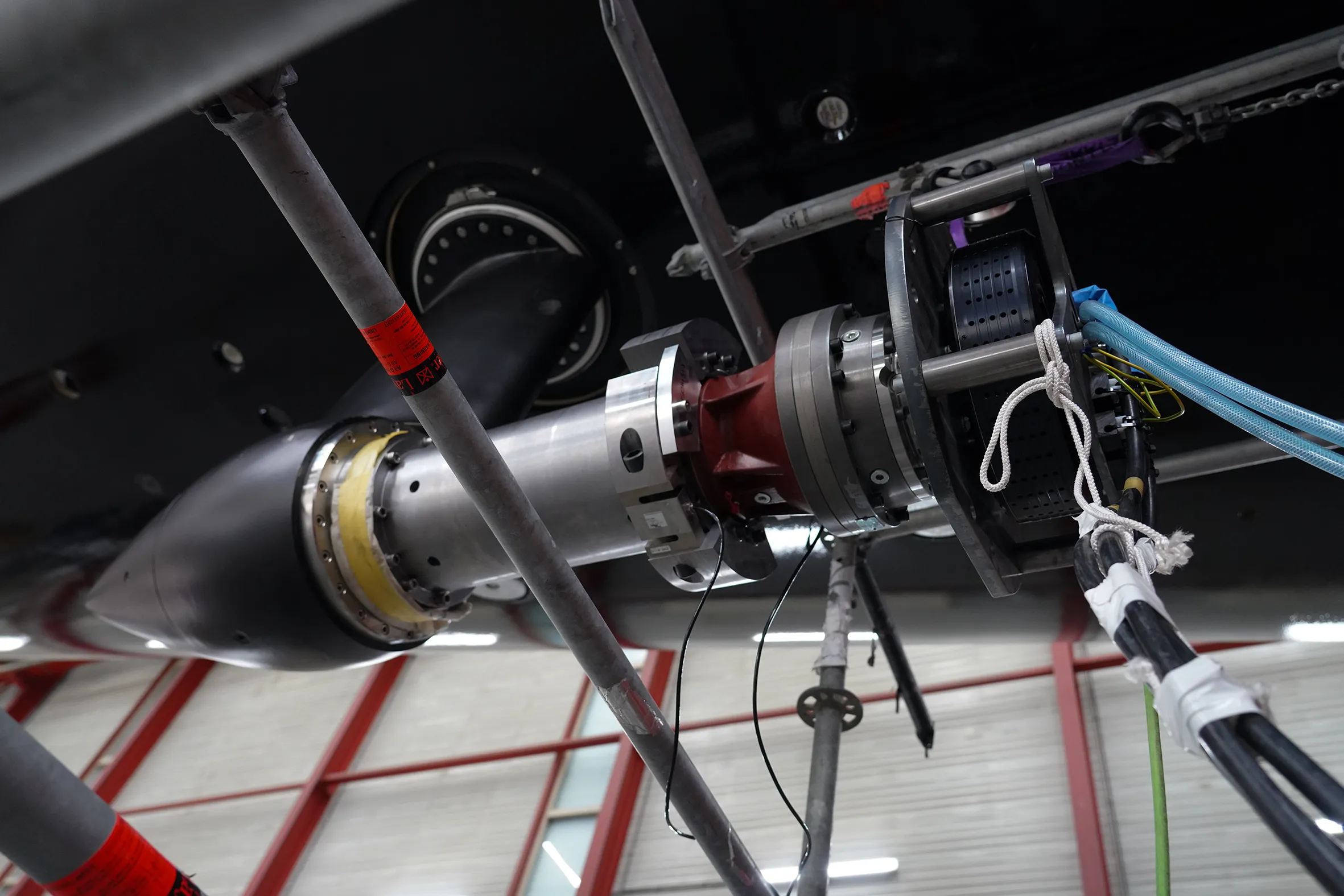
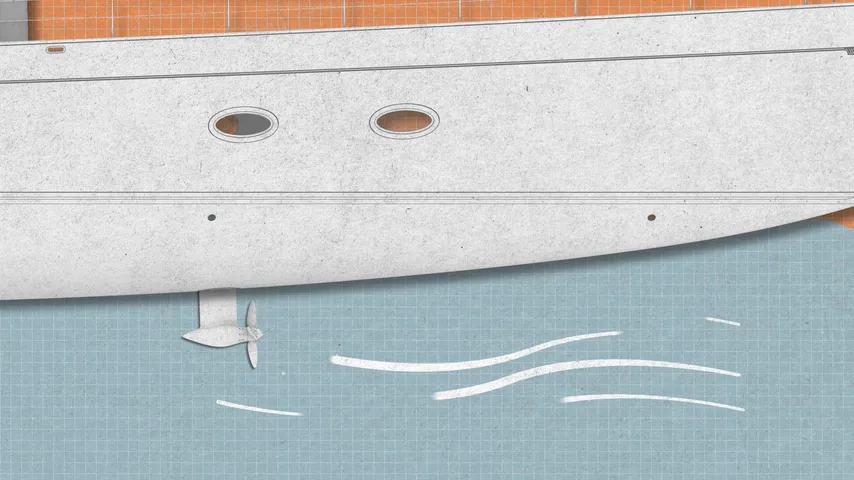
The test rig uses a small electrical motor attached to the shaft where the propeller would normally be, and the team also mounted torque sensors on the propeller side of the shaft. With the thrusters already having torque sensors on the electrical motor side, this means the team can compare the torque on either side of the gearbox. “If there were no losses in the system, then torque in equals torque out,” says De Vries. “With the correct measurements we can determine the difference, and the result gives us the total loss.”
The rig allows the team to create load on the propeller-side test motor to simulate the real-world conditions of the propellers turning in seawater. When testing propulsion mode, the test motor generates electricity which is stored in a battery, and when testing the hydrogeneration mode, that battery powers the test motor which spins the shaft in place of the propeller, with the thrusters’ motors acting like dynamos and generating power.
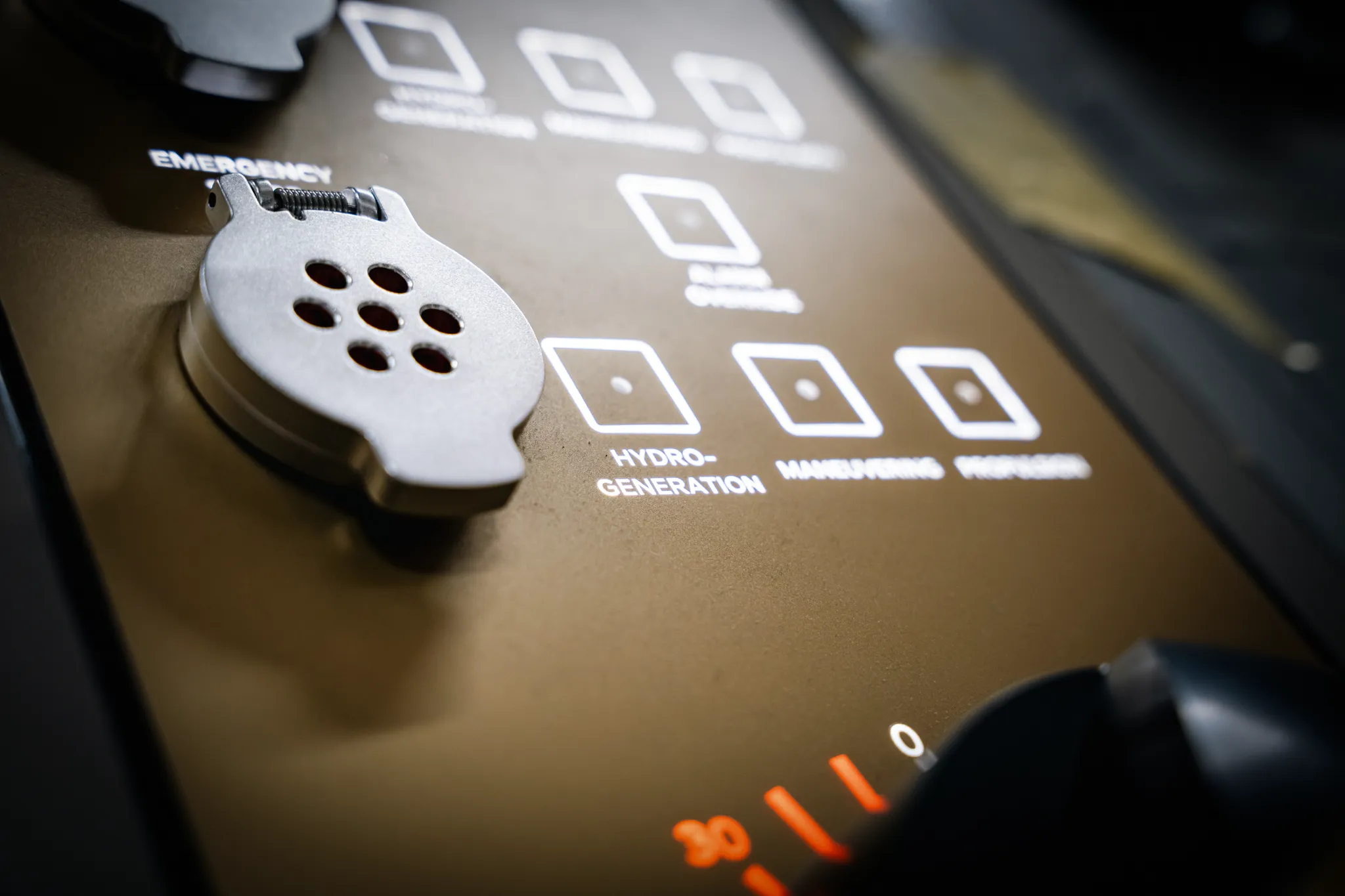
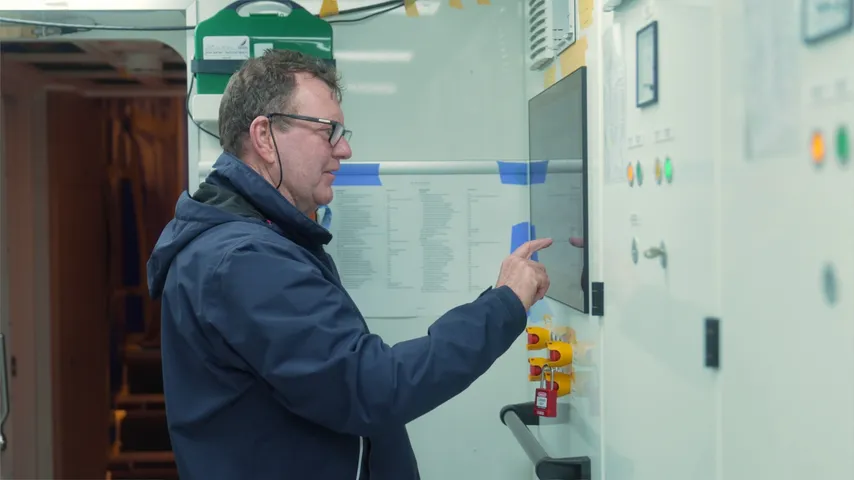
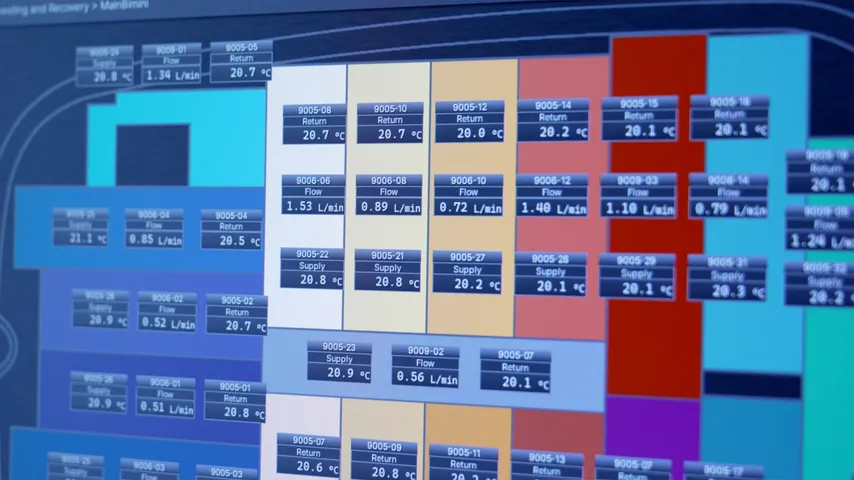
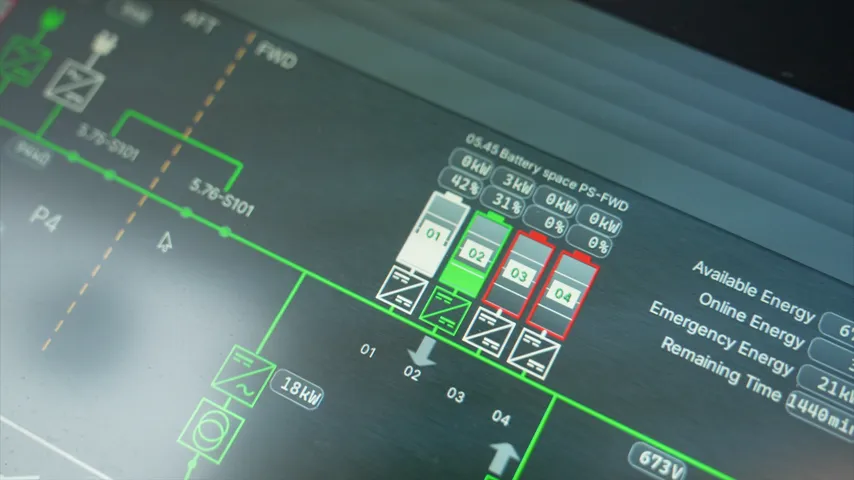
On one level, this allows the team to check that the throttle input and readouts at the helm match the power being output in propulsion mode — the throttles send signals into a PLC which controls the output components around the thruster, managed by propulsion control software. The test rig allows the team to check the software and system functionality, as well as tweaking elements such as what is displayed on the screens that the crew use to monitor everything.
The team quickly realised that testing in the shed offered significant advantages.
“First, the conditions are the same every day and for every test — because out in open water, the conditions are always changing,” De Vries explains. “In the shed, we can control the conditions and eliminate variables such as wind, weather and seaway — we can control the load on the shaft and we can control the power on the shaft. That’s one of the biggest advantages.”
In addition, he says, full testing pre-launch with controlled conditions means the team can determine the efficiency of the system and identify where potential energy losses are — critical on a yacht whose ethos is centred around efficiency of energy, so much so that one of the core goals of the brief was to reduce onboard energy consumption from 90 kW typical for a yacht of Zero’s size and type, to less than 30 kW.
“Everything on board has been checked for maximum efficiency — for example, if you have converters that are losing 5 % due to heat, then you look for converters that only have a 1 % loss,” De Vries confirms. “A 4 % saving doesn’t sound like a lot, but if you’re running at 400 kW that’s a significant amount. However, for the thrusters the supplier says we have a 15 % mechanical loss in the gearbox and we can’t change the design to reduce that — we know, because we checked!
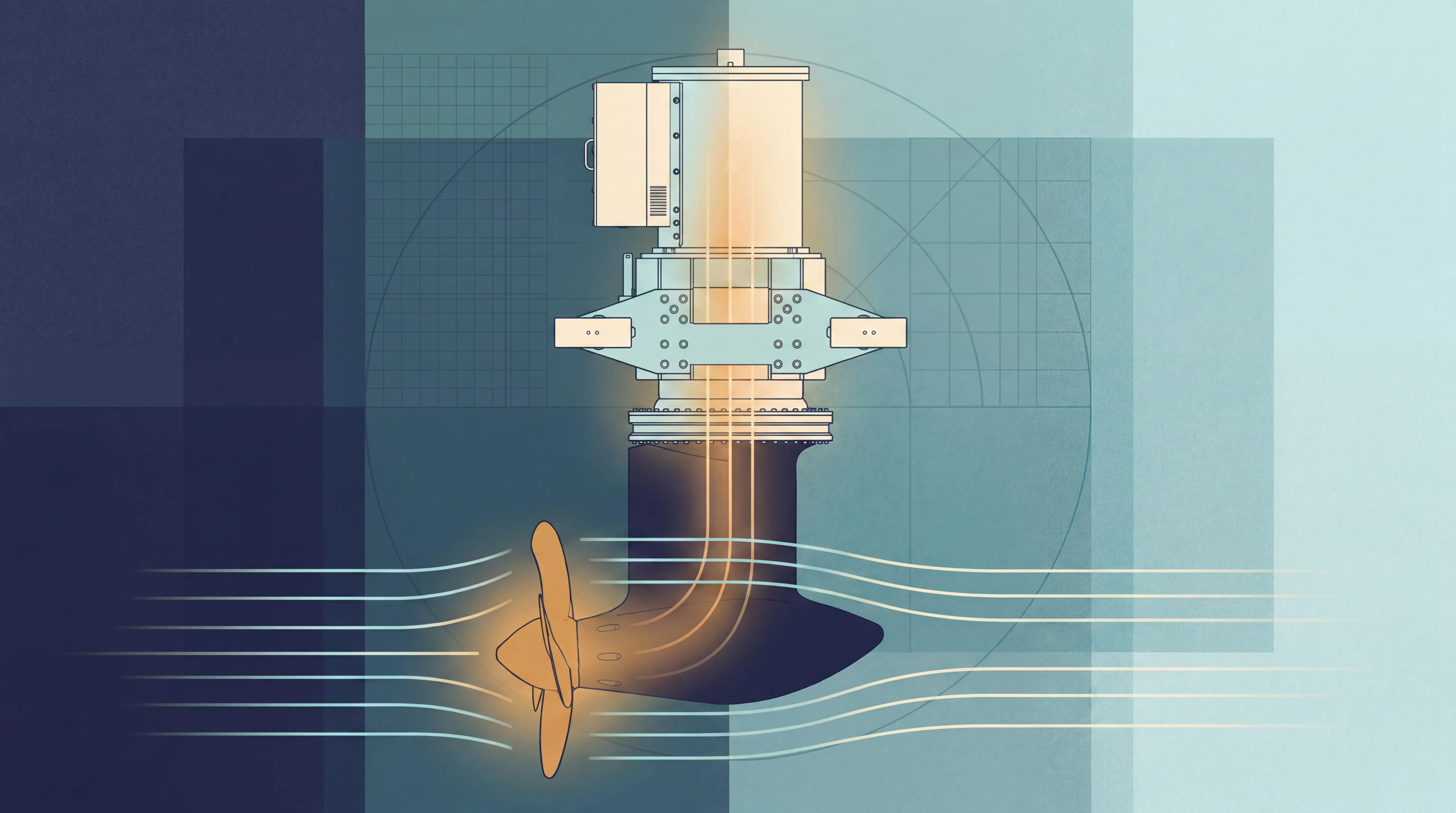
“So, it’s very interesting to test the system and to check if the loss is always 15 % or whether there are areas where the loss is more or less than that,” he continues. “The whole thruster leg is oil-cooled, so we can see what happens when we turn up the oil temperature to see if we can make a saving — because 15 % is the biggest efficiency loss in this whole yacht. If we could squeeze that down to 10 % then that’s a serious energy saving considering the aft thruster can generate up to 180 kW.”
The testing also affords the opportunity to measure under test conditions the electromagnetic noise created by the system.
“It’s a fact that there will be electromagnetic noise because every inverter produces it, and Zero has more than 100 inverters on board,” De Vries says. “So then it comes down to how you deal with that noise, which is something we discussed with one of our sub-contractors even at the design phase. We did real measurements to check it meets our design philosophy and we will ask the same person to do the test again because we can do it with real-world conditions rather than on a test bench. It’s important,” he adds, “because electromagnetic noise can interfere with other equipment such as your propulsion control PLC or your navigation equipment.”
The testing phase is the culmination of studies and plans stretching back to the genesis of the project, and even as the tests approached the team were busy ensuring every element was ready.
“We did a lot of preparation up front — electrical, mechanical, with the cooling system and with the oil — to make it happen,” De Vries says. “There has also been a lot of planning, plus pre-commissioning and testing before we really turn the system on. We passed that part with a few minor changes and tweaks, and finally we were ready for testing to begin properly.
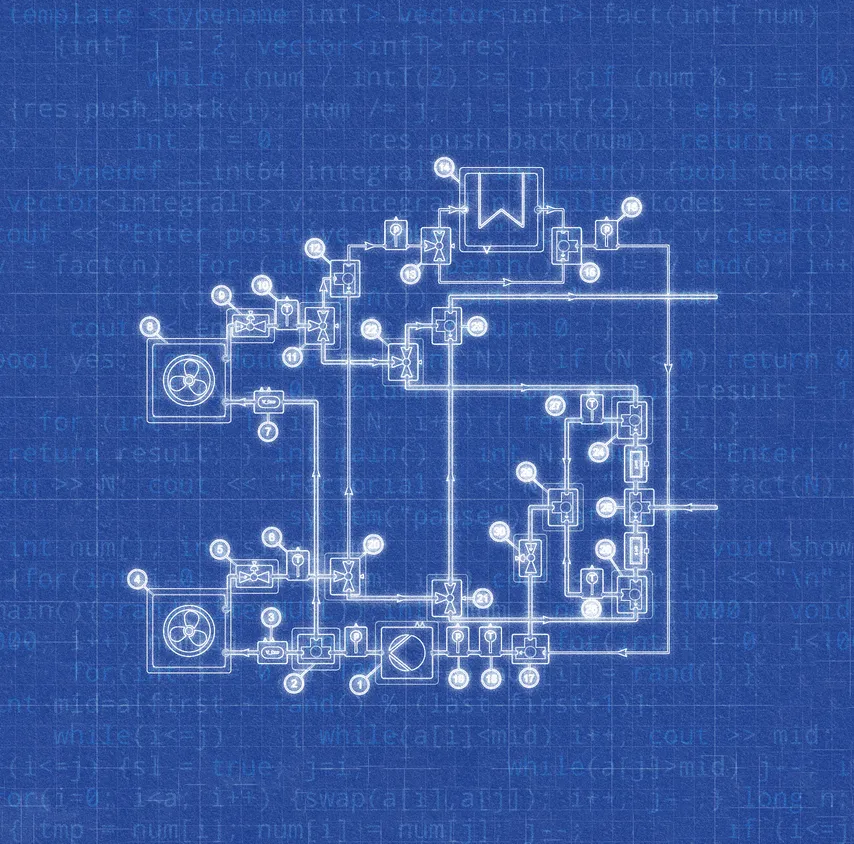
“The great story behind this whole project is that we were and are able to take the next step in technology, going for the optimal solutions instead of going for safe options that were already known quantities,” De Vries continues. “Being able to design, engineer, test and now commission it all so completely has never been done before — the goal is that when Zero leaves the shed and has her technical launch she will already be ready to sail off, except for her masts and rigging but with all the new equipment and systems on board and already tested. It’s been a privilege to be a part of it from when she was still a blank sheet of paper,” he concludes, “discussing everything on the blueprints and now working on getting it into real life.”
Look out for our report on the results of the testing phase complete with data from both the propulsion and hydrogeneration tests over the coming weeks.