Video

Rethinking naval architecture through hydrogeneration

By Foundation⁰
Published
2026.07.03
Disclaimer

The transition from fossil fuels to renewable energy in the maritime industry means moving beyond traditional engineering and embracing an entirely new technological approach.

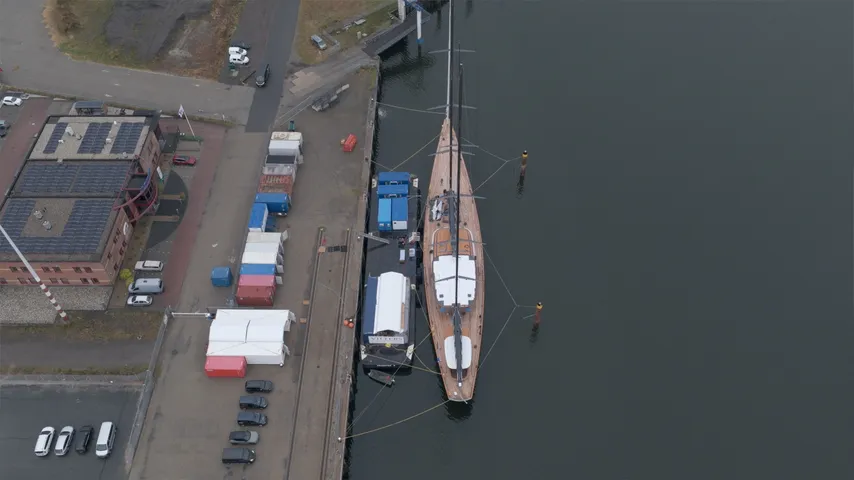
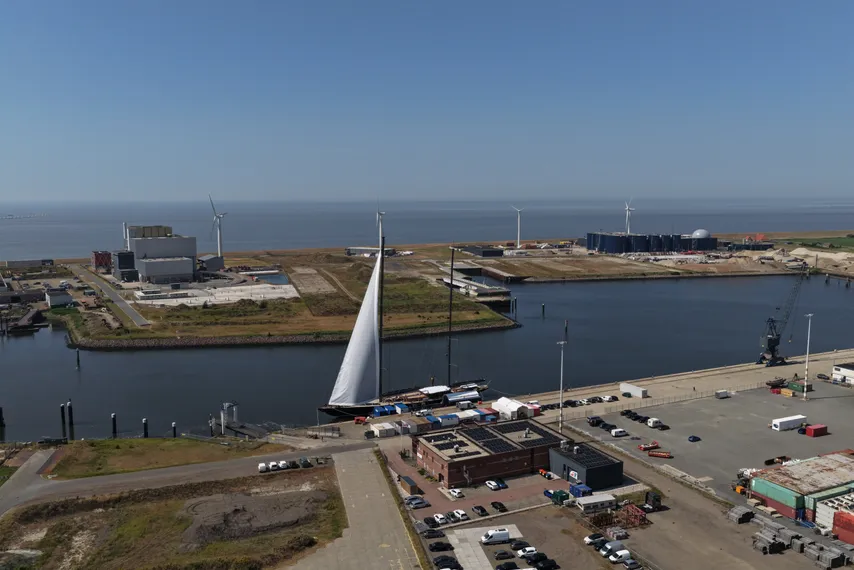
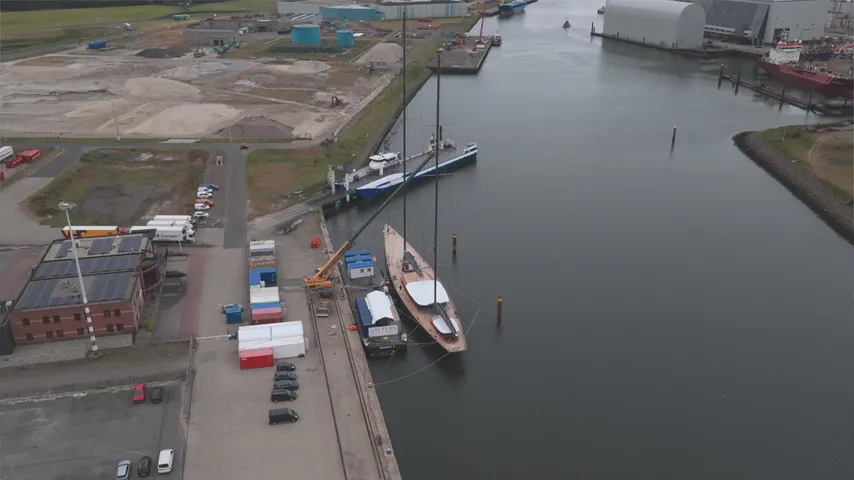
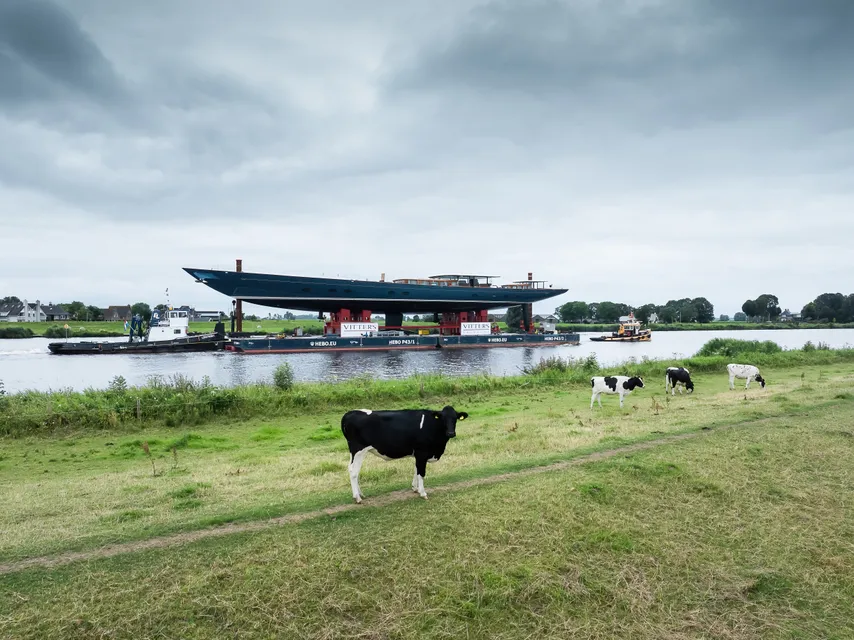
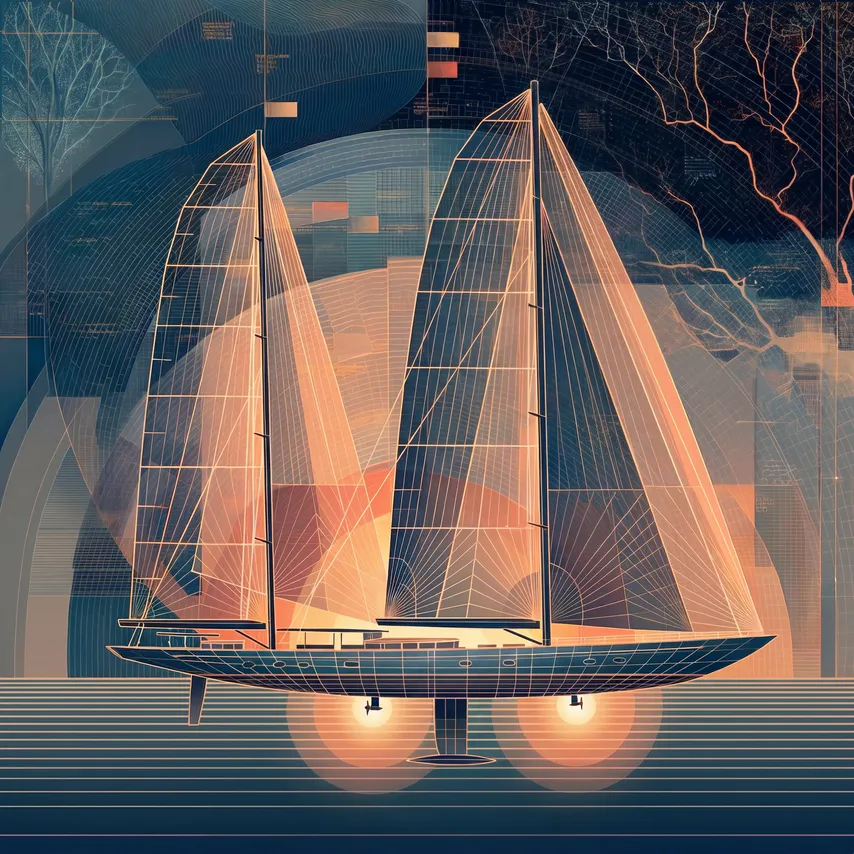
This is the journey Sailing Yacht Zero has been on; one of rethinking naval architecture and energy usage.

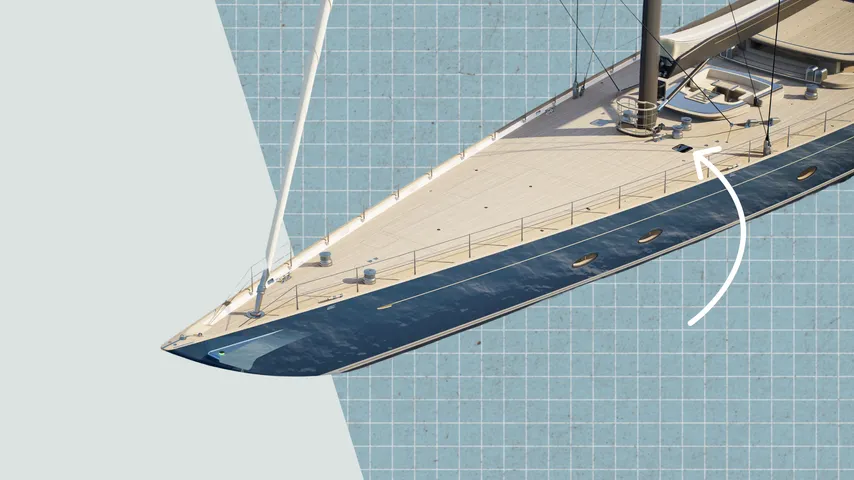
In the presentation below from Mark Leslie-Miller, a naval architect at Dykstra, he discusses how treating energy as a scarce commodity changes how you design a yacht.

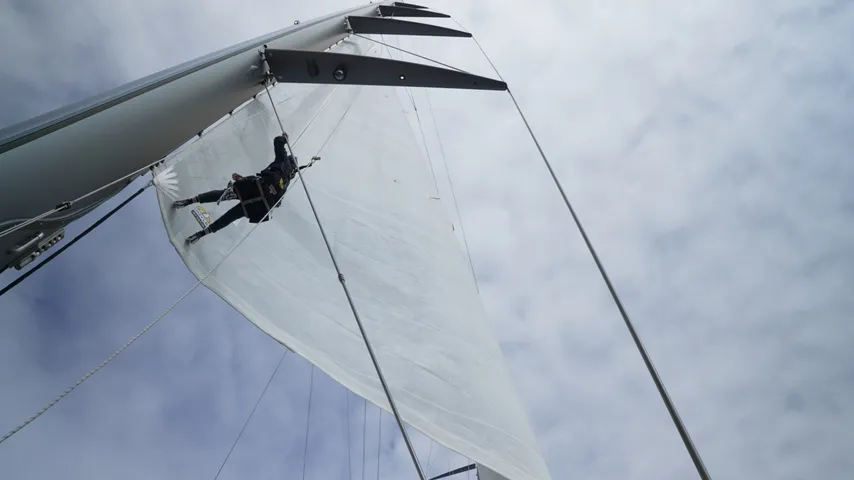
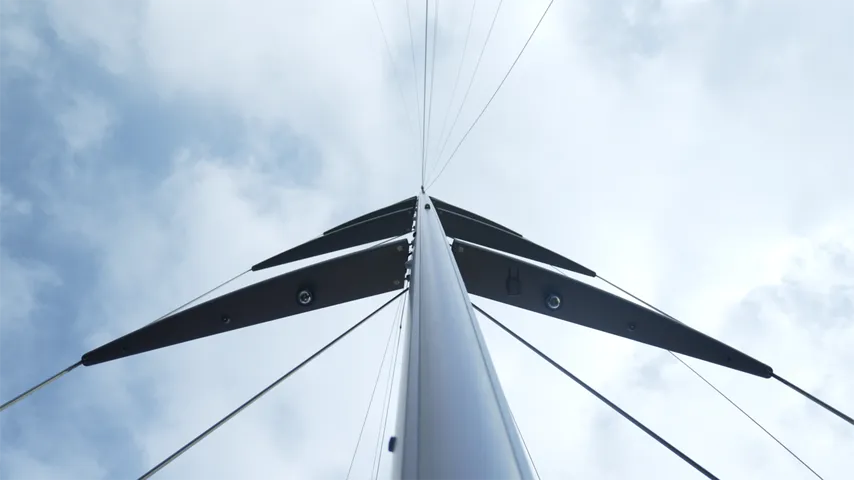
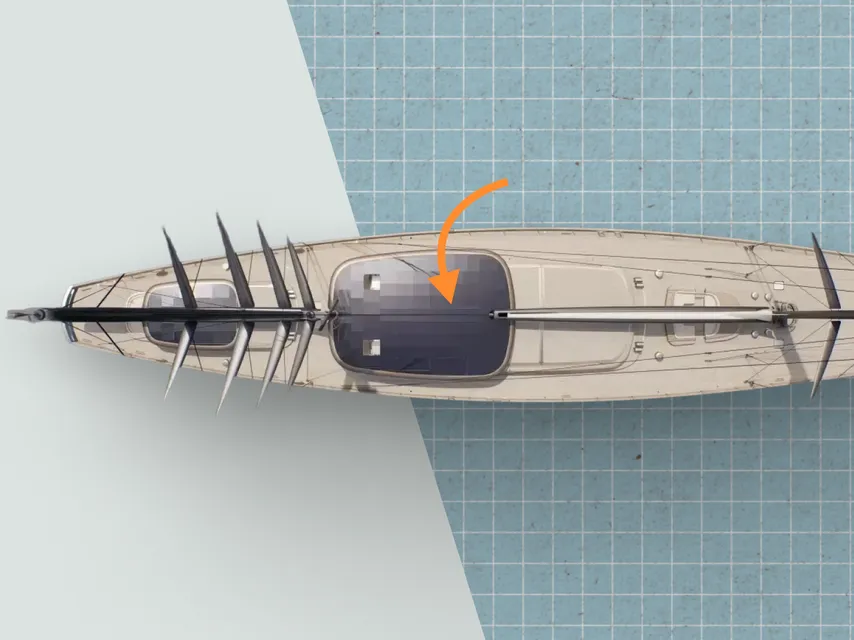
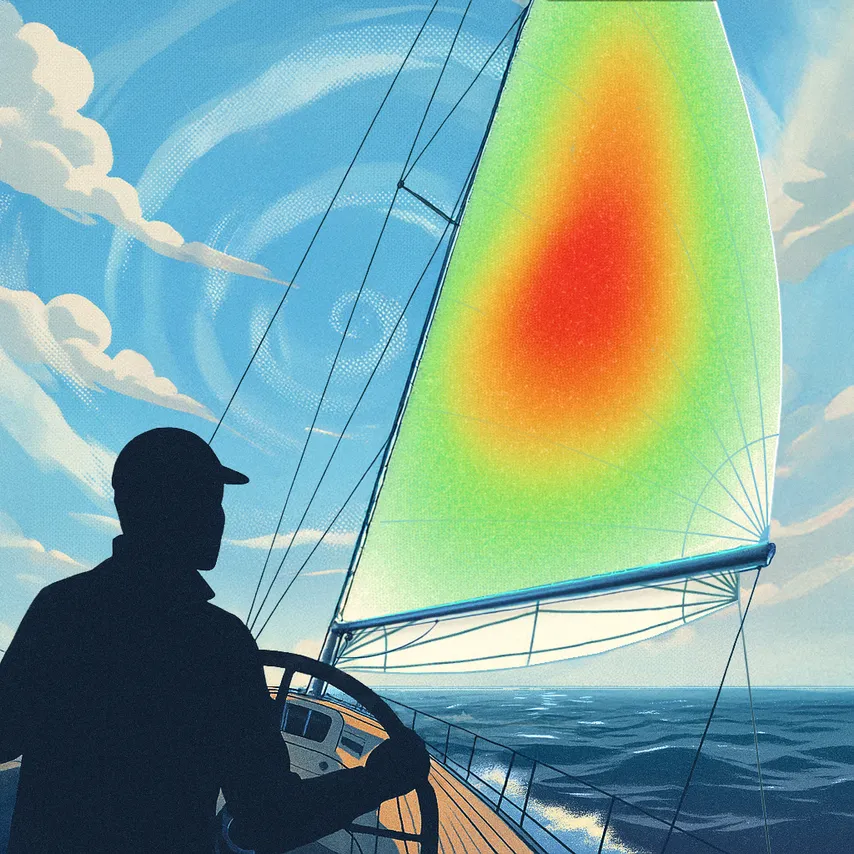
There are a range of topics he covers, from advanced energy management and solar power collection, to a highly-optimised hydrogeneration system. This latter part is a particular focus, as wind tunnel testing revealed that the sails can generate up to 1500 kilowatts of power in a fresh breeze.

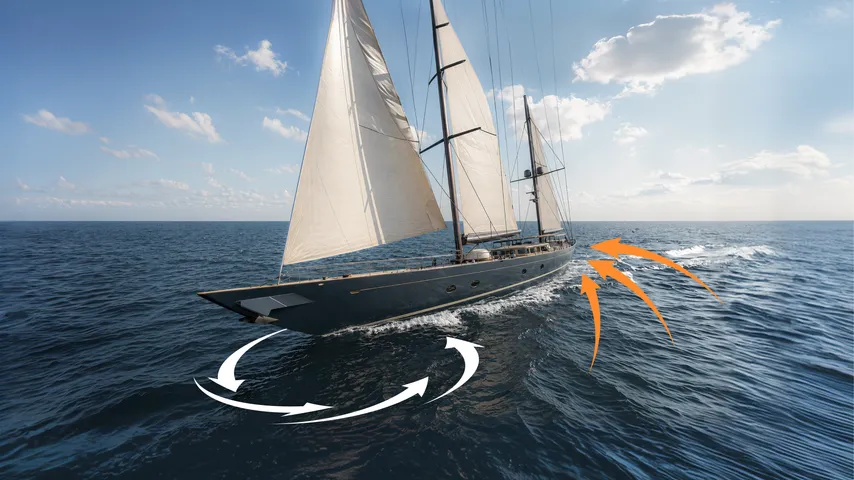
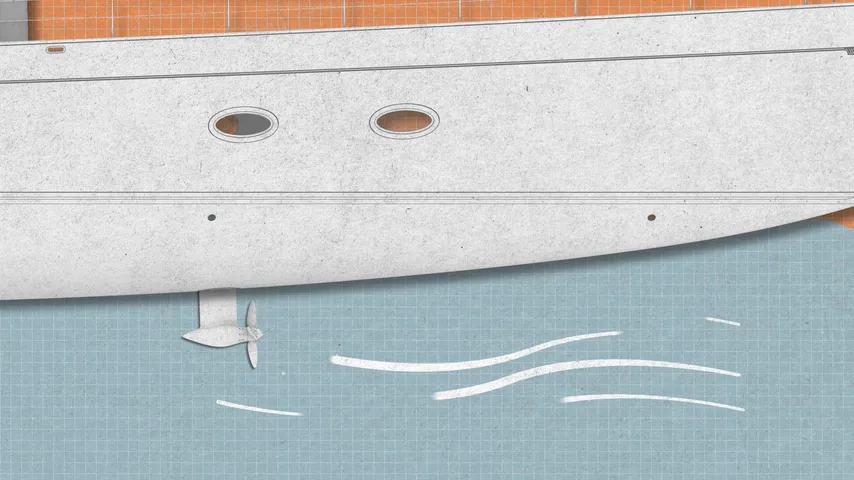
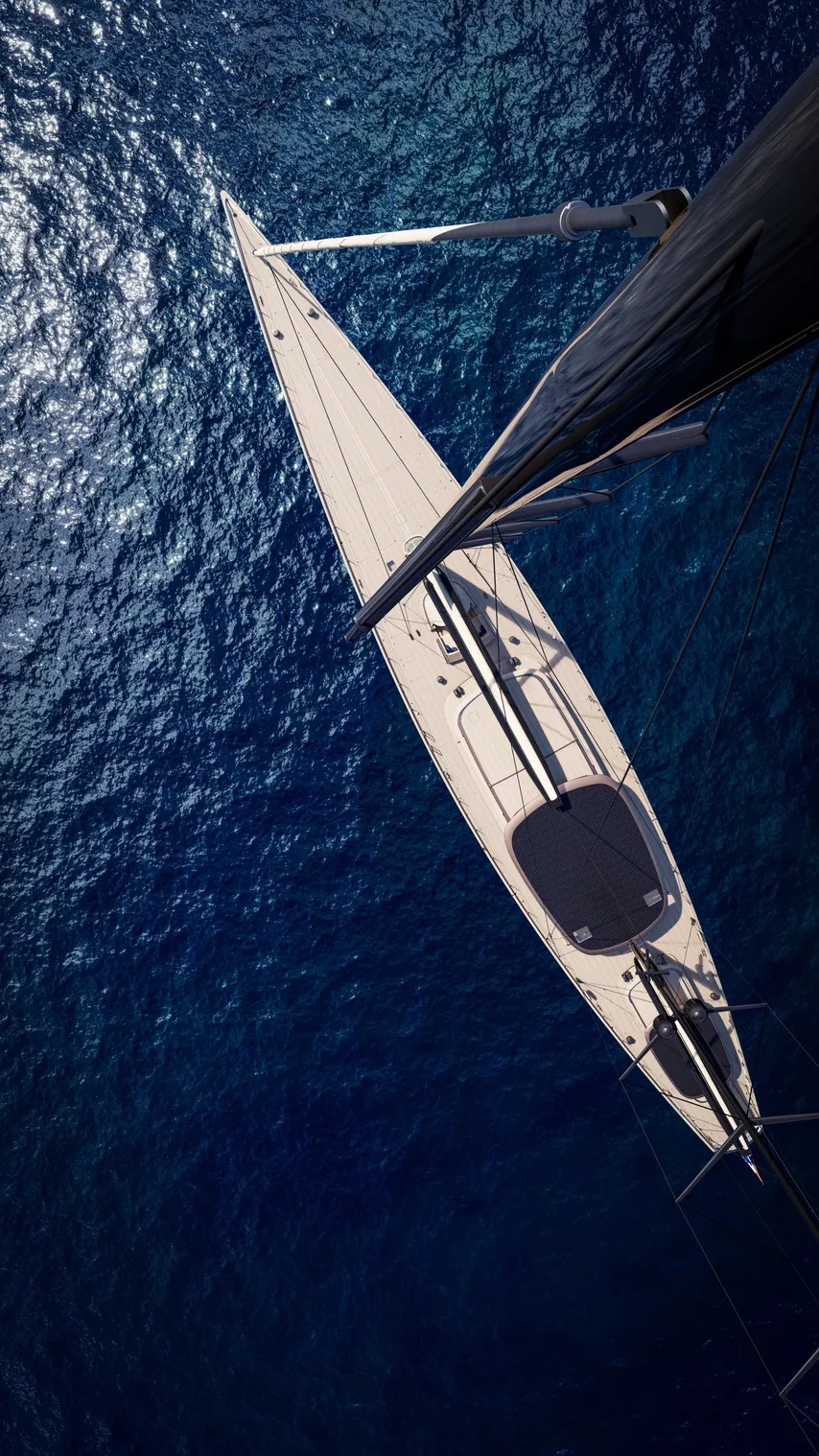
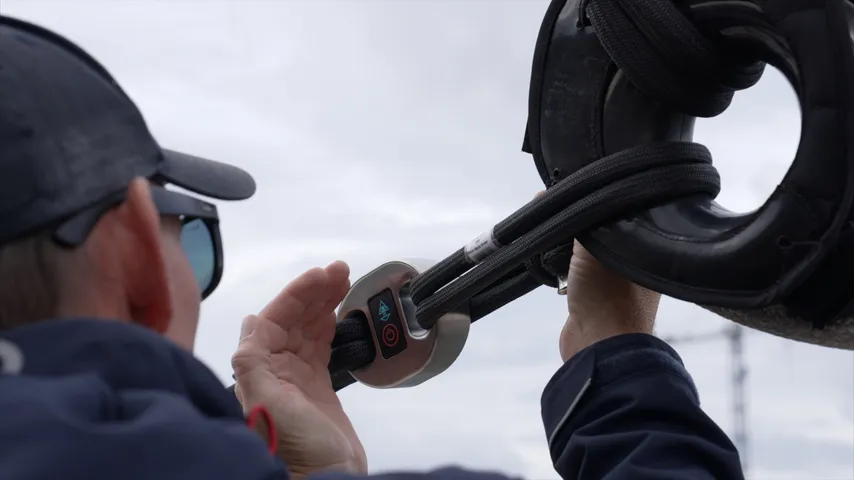
To efficiently capture this energy without causing excessive drag, the vessel utilizes two thrusters capable of rotating to serve multiple roles, including propulsion, maneuvering, and energy generation.

The forward thruster is strategically placed ahead of the keel to maximize generation in accelerated water flow, while the aft thruster is optimised for propulsion. At a sailing speed of 16 knots, these propellers can generate up to 250 kilowatts.

This means one hour of hydrogeneration can provide enough power for four hours of motor-sailing.

To find out more, watch the presentation below:
Read our latest news, articles and insights today
2026.06.25|Video
Why the future of fresh water is in the deep sea
2026.06.09|Feature
A groundbreaking test set-up for a groundbreaking regeneration system
2026.06.05|Video
Engineering a simulation for a 5 MWh zero-emission yacht
2026.05.21|Video
A new approach to marine ventilation
2026.05.13|Feature
Clippership’s sailing ‘robotaxis’ could make ocean freight more sustainable
2026.05.07|Video
What is the vision of Foundation⁰?
2026.04.24|Video
Powering the electric yacht of the future
2026.03.30|Video
How AI may enable autonomous yachting
2026.03.25|Feature
Using optical fibres to measure mast shape in real time
2026.03.13|Video
Sailing towards renewability: Real-time edge computing at sea

2026.03.06|Video
The story behind a cutting-edge regeneration and propulsion system
2026.02.26|Video
The road to an ocean-proof microgrid
2026.02.24|Research
Using digital twins to develop system control logic
2026.02.12|Video
Reinventing marine glazing with Royal-Maritiem
2026.01.29|Video
How these experimental PVT panels will harvest heat at sea
2026.01.14|Feature
Saving energy with a cutting-edge cooker ventilation system
2026.01.06|Video
Carbo-Link and the “breathing” mast
2025.12.03|Feature
Coding Zero: The role of software in next-gen yachts
2025.10.14|Feature
High Tech Telltales
2025.08.28|Feature
A smoother future for Antifouling coatings
2025.07.16|Feature
Protecting electric yachts from lightning strikes
2025.04.24|Feature
Using masts to reduce energy expenditure in the maritime industry
2025.04.17|Video
Can solar panels work when partially shaded? Expert Video
2025.01.09|Research
Sail team BCN Impact & Sustainability Report
2024.11.22|Research
Design of a Cell String Level Maximum Power Point Tracking Converter connected to a DC Grid
2024.10.04|Video
Uncovering the results of lightweight insulation: Expert Video
2024.07.18|Video
Developing a combined hydro generation and propulsion system: Expert Video
2024.06.12|Feature
Uncovering the results of lightweight insulation
2024.05.30|Video
Making PVT Panels suitable for use at sea: Expert Video
2024.02.15|News
Foundation⁰ and Sail Team BCN: Shaping the future of sustainable sailing
2023.09.06|Feature
An exploration into making PVT panels suitable for use at sea
2023.06.29|Feature
How a custom electricity converter is helping create a world-first sailboat
2023.06.06|News
Partnership announcement
2023.04.23|Feature
We tested whether absorption chillers are suitable for use in the marine sector
2023.04.21|Feature
Guest-blog: The sailboat
2022.11.14|Feature
The sailing yacht: hydro-generation, solar, electric and heat generation
{ Foundation⁰
believes in a future powered entirely by renewable energy.
Newsletter

Sign up to our newsletter to get early access to white papers and insights

Office

Singel 134

1015 AG Amsterdam

The Netherlands


Stichting ZERO (Foundation)

Chamber of Commerce registry number: 88529266

RSIN: 864670540

We use analytics to improve the experience of our visitors.