Sailing towards renewability: Real-time edge computing at sea

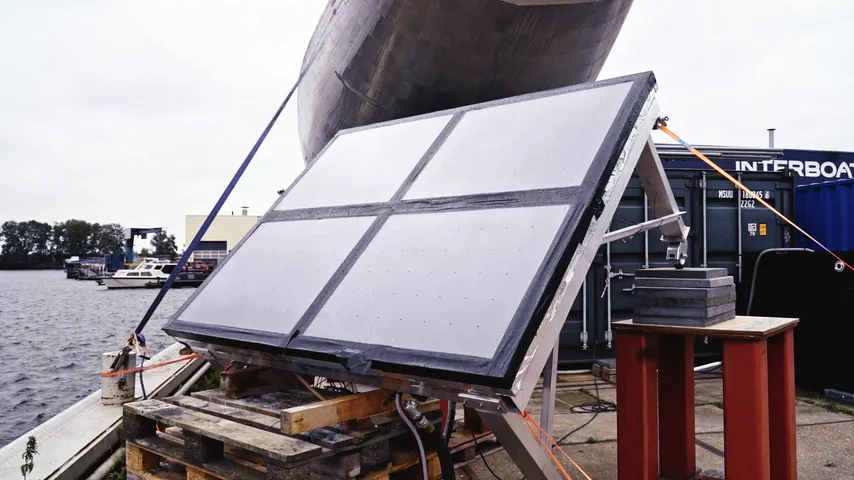
When you’re building a world-first vessel it’s easy to just focus on the hardware. Often, these are the eye-catching parts — the brand-new propulsion and regeneration system, the experimental PVT panels, or the reimagining of kitchen equipment — but they aren’t always the most important in making sure the vehicle operates and operates well.
The key, really, is management and ensuring the systems work together.
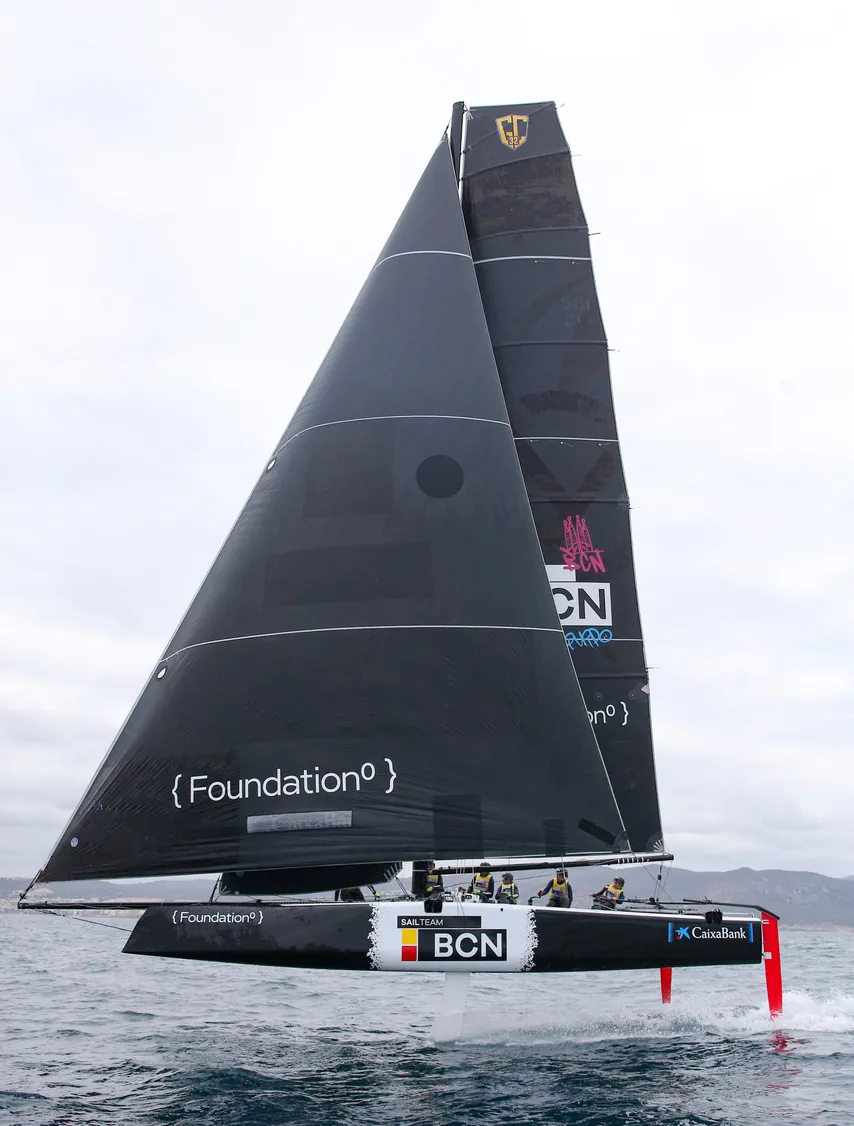
This is especially true because SY Zero runs entirely on renewable energy and managing every available watt is of the utmost importance. Instead of 10,000 litres of diesel, it runs on what the natural environment can provide.
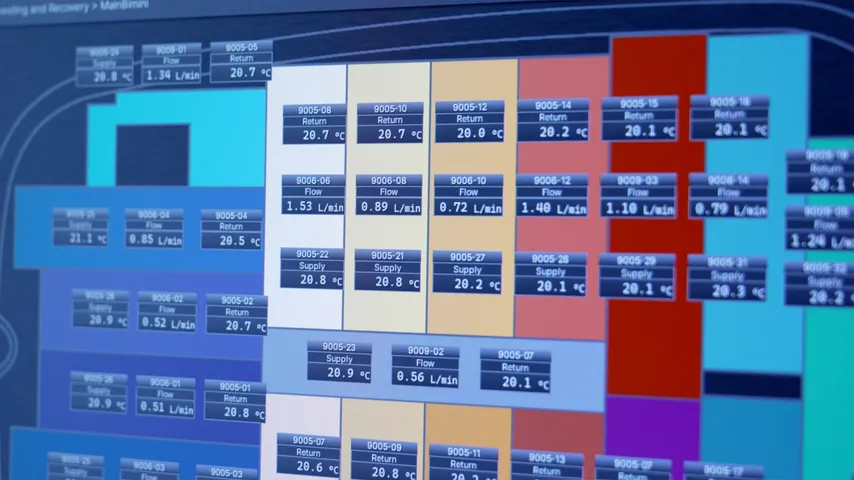
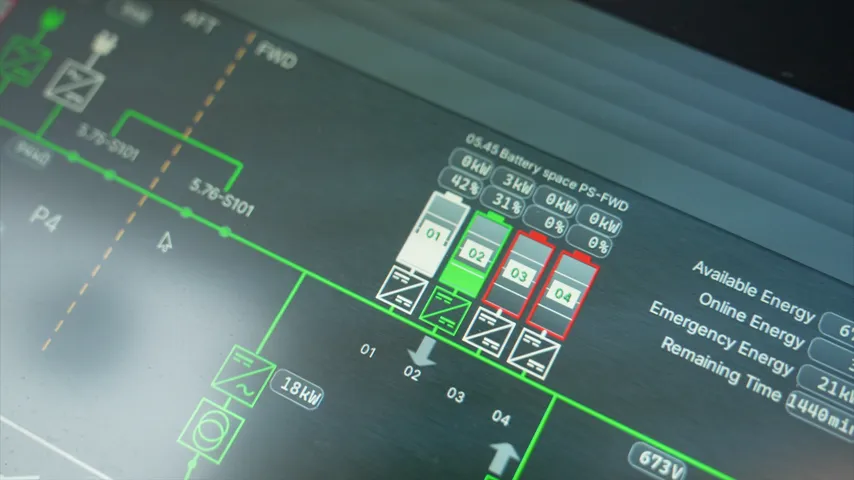
For the project to work the crew needs real-time visibility into the boat's energy consumption, from the engines right down to the air conditioning. This is where software comes in.
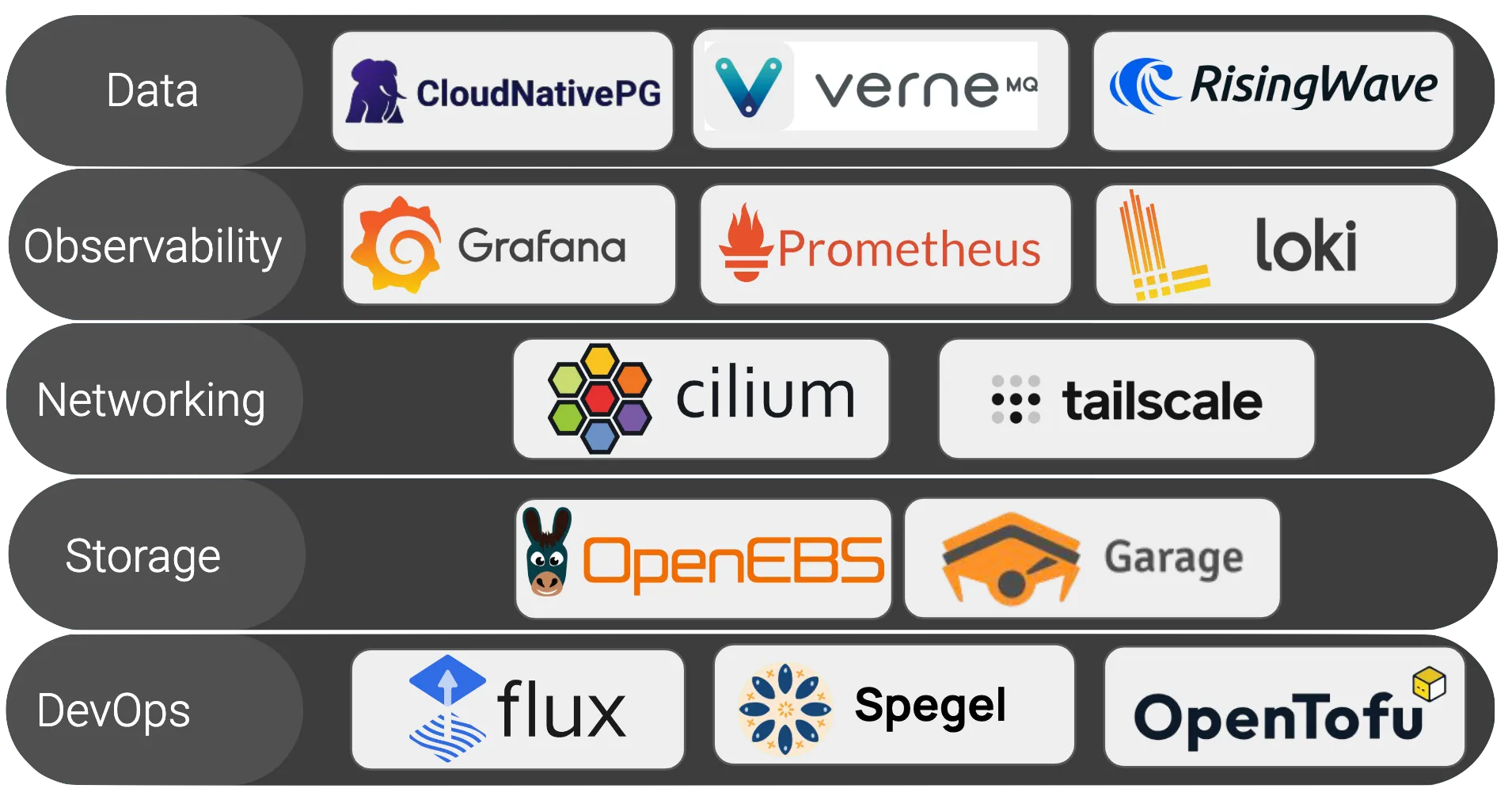
Because internet connectivity at sea (even with Starlink) is occasionally unreliable, SY Zero must operate as a floating edge-computing environment. To achieve this, the team built a robust, bare-metal infrastructure to process data locally without needing a constant cloud connection. This includes:
- Talos Linux & Kubernetes: Form the reliable, secure foundation for the yacht's onboard servers.
- MQTT & VerneMQ: Handle the massive influx of telemetry data from the yacht's various physical subsystems.
- RisingWave: A SQL-based streaming engine used to aggregate and process real-time data efficiently.
- Grafana: Powers the observability dashboards used by the crew to monitor battery life and system health.
Crucially, this IT stack is kept completely separate from the yacht's mission-critical navigation and safety systems. If the data platform goes down, the ship can still sail safely and meet strict maritime regulations.
Below, you can watch a presentation from Floris Smit, a data platform engineer, working on this project: