Beyond hydraulics: Designing furlers for all-electric sailing yachts
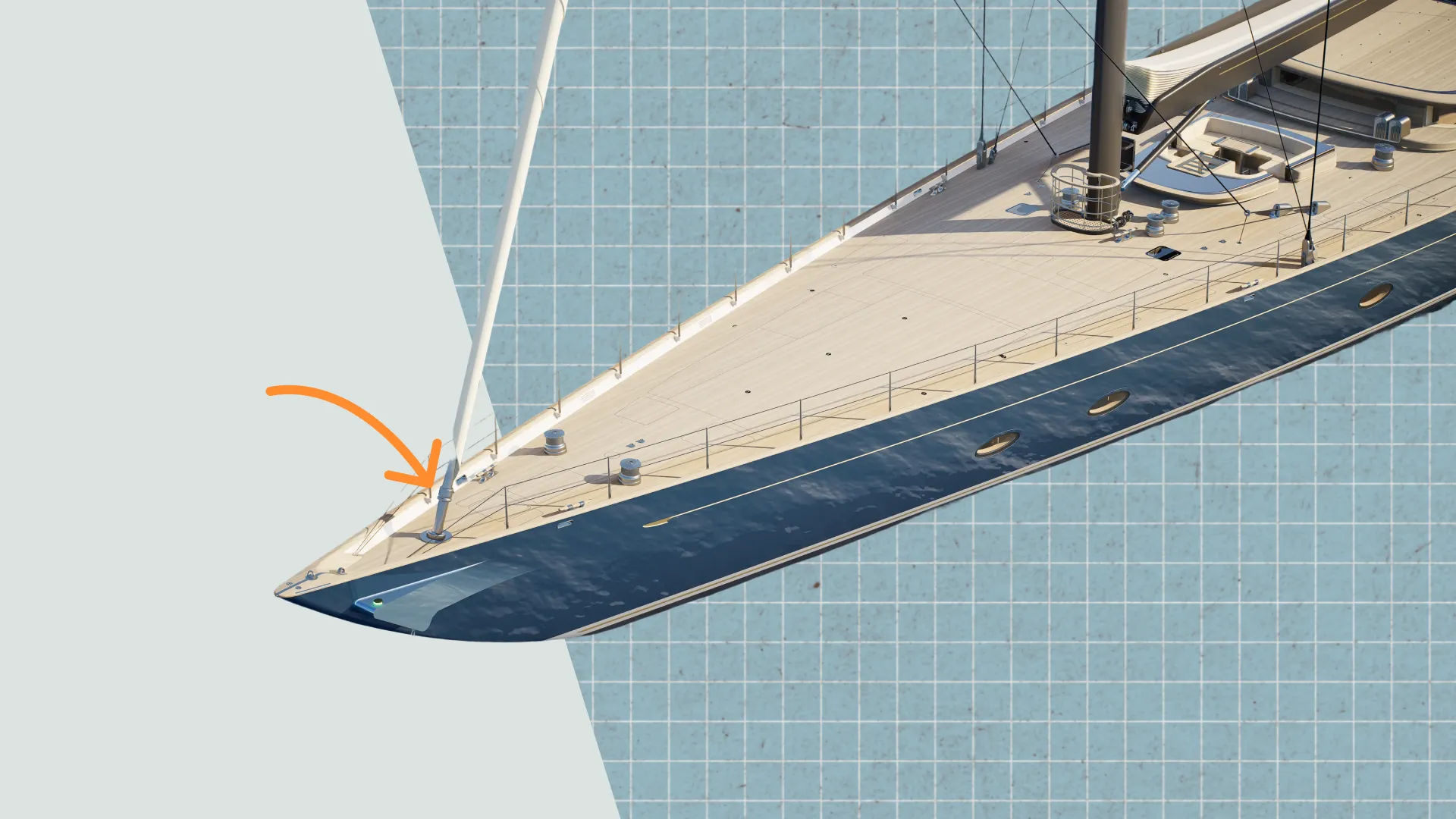
When you alter how a boat is powered, it has knock-on effects across the entire ecosystem. Moving from fossil fuels to renewable energy isn’t as simple as flicking a switch, it means innovation has to occur in places you’d normally get an off-the-shelf solution. Like the furler.
Traditional wisdom dictates that when a yacht reaches a certain size, you choose a hydraulic furler. These are reliable, well-tested, and powerful enough to deal with almost any situation a vessel would encounter.
Sailing yacht Zero isn’t a project that spends too much time worrying about traditional wisdom though. Its focus is all about what works best. Because of sailing yacht Zero’s all-electric design and internal size constraints, a hydraulic furler system wasn’t suitable. The team wanted an electric model — and this is where Reckmann came in.
While the company has produced electric systems for smaller yachts, a project of this magnitude — where the headstay furler requires immense torque — represented a significant engineering leap.
This meant they faced a series of complex puzzles, from finding an electric motor and gearbox capable of matching the strength of a hydraulic system, to a rigorous testing process to ensure it could handle the intense loads faced when sailing.
In the video below, you can watch Philip Demler from Reckmann explain the process of designing and producing the electric furler.
As he says, while sailing yacht Zero might look like a work of art, in reality it’s a living, breathing “R&D project.” And when you’re working in this environment, there’s no element you can simply take for granted.